Eco-Friendly Plumbing Solutions for Commercial Buildings in Passaic County


Introduction to Eco-Friendly Plumbing
As businesses in Passaic County seek to become more sustainable, eco-friendly plumbing solutions have emerged as a key area for improvement. These innovative approaches not only help reduce environmental impact but also offer cost savings in the long run. By implementing green plumbing practices, commercial buildings can significantly decrease water usage and energy consumption.

Water Conservation Strategies
One of the primary goals of eco-friendly plumbing is water conservation. Commercial buildings can adopt several strategies to achieve this:
- Low-flow fixtures: Installing low-flow toilets, faucets, and showerheads can drastically reduce water usage without sacrificing performance.
- Gray water systems: These systems recycle water from sinks and showers for use in toilets and irrigation, further minimizing waste.
- Smart irrigation: Automated systems equipped with moisture sensors ensure that landscaping is watered efficiently, reducing unnecessary water use.
Energy-Efficient Heating Solutions
Heating water accounts for a significant portion of energy use in commercial buildings. By opting for energy-efficient solutions, businesses can lower both their carbon footprint and utility bills:
- Tankless water heaters: These units heat water on demand, eliminating the energy waste associated with maintaining a reservoir of hot water.
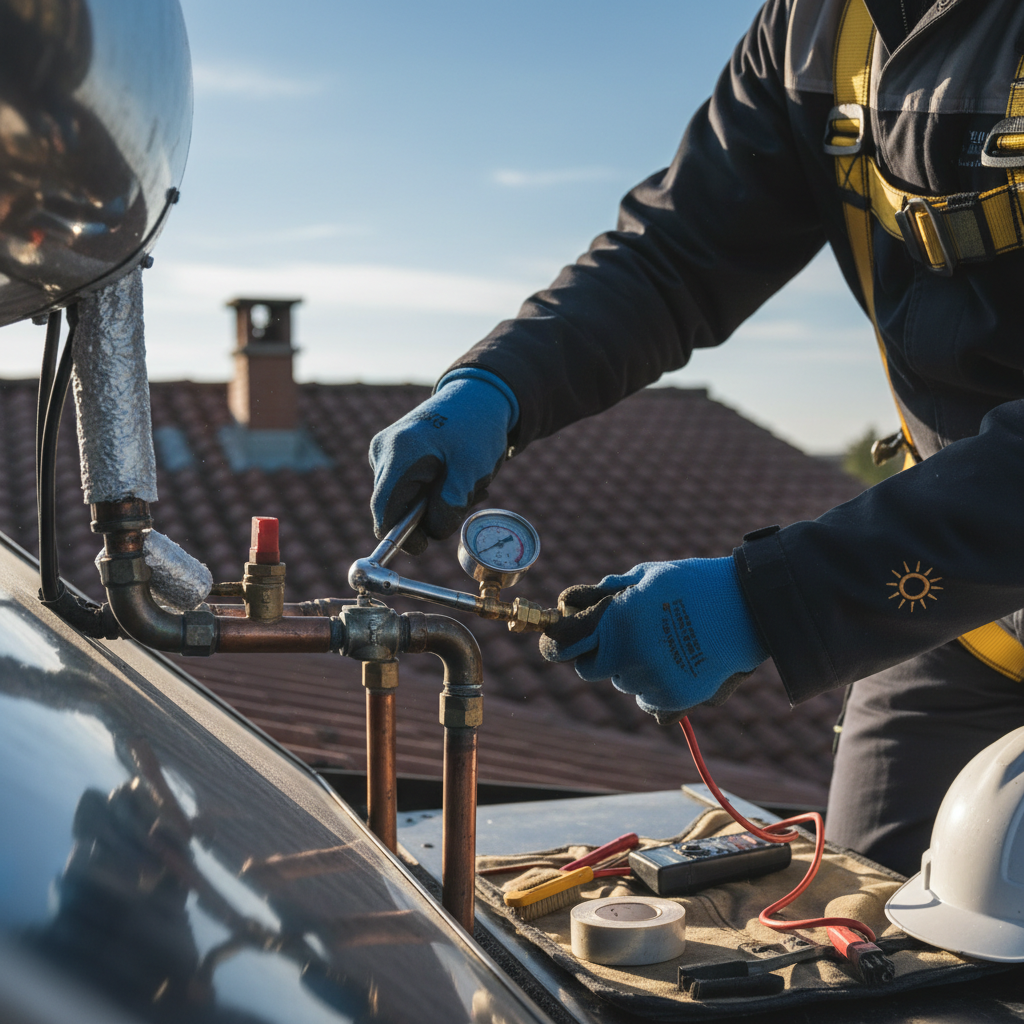
- Solar water heating: Using solar panels to heat water is a renewable option that can provide substantial energy savings.
Leak Detection and Prevention
Undetected leaks can lead to significant water waste and damage. Implementing advanced leak detection systems can help prevent these issues:
Smart leak detectors can monitor the plumbing system in real-time, alerting building managers to leaks before they become major problems. Regular maintenance and inspections are also crucial to ensure the system remains in optimal condition.
Sustainable Materials and Construction
Choosing sustainable materials for plumbing systems is another effective way to reduce environmental impact. Recycled or renewable materials can be used in pipes and fixtures, while environmentally-friendly sealants and adhesives contribute to a greener building overall.

Regulatory Compliance and Incentives
Adhering to local regulations and taking advantage of available incentives can make the transition to eco-friendly plumbing more feasible. Passaic County offers various incentives for businesses that implement sustainable practices, such as tax breaks and rebates.
Staying informed about these opportunities can help businesses offset the initial investment costs associated with upgrading their plumbing systems.
Conclusion
Adopting eco-friendly plumbing solutions in commercial buildings is a smart move for businesses in Passaic County. Not only does it contribute to a healthier environment, but it also offers financial benefits through reduced utility costs and potential incentives. By taking proactive steps towards sustainability, businesses can play a crucial role in preserving our planet for future generations.