DIY Plumbing Tips: How to Handle Minor Repairs at Home


Understanding Your Plumbing System
Before diving into DIY plumbing repairs, it's crucial to understand the basic components of your home plumbing system. Familiarize yourself with the location of your main water shut-off valve, as this can prevent major water damage in the event of a leak. Additionally, knowing the layout of your pipes will help you troubleshoot issues more effectively.
Essential Tools for DIY Plumbing
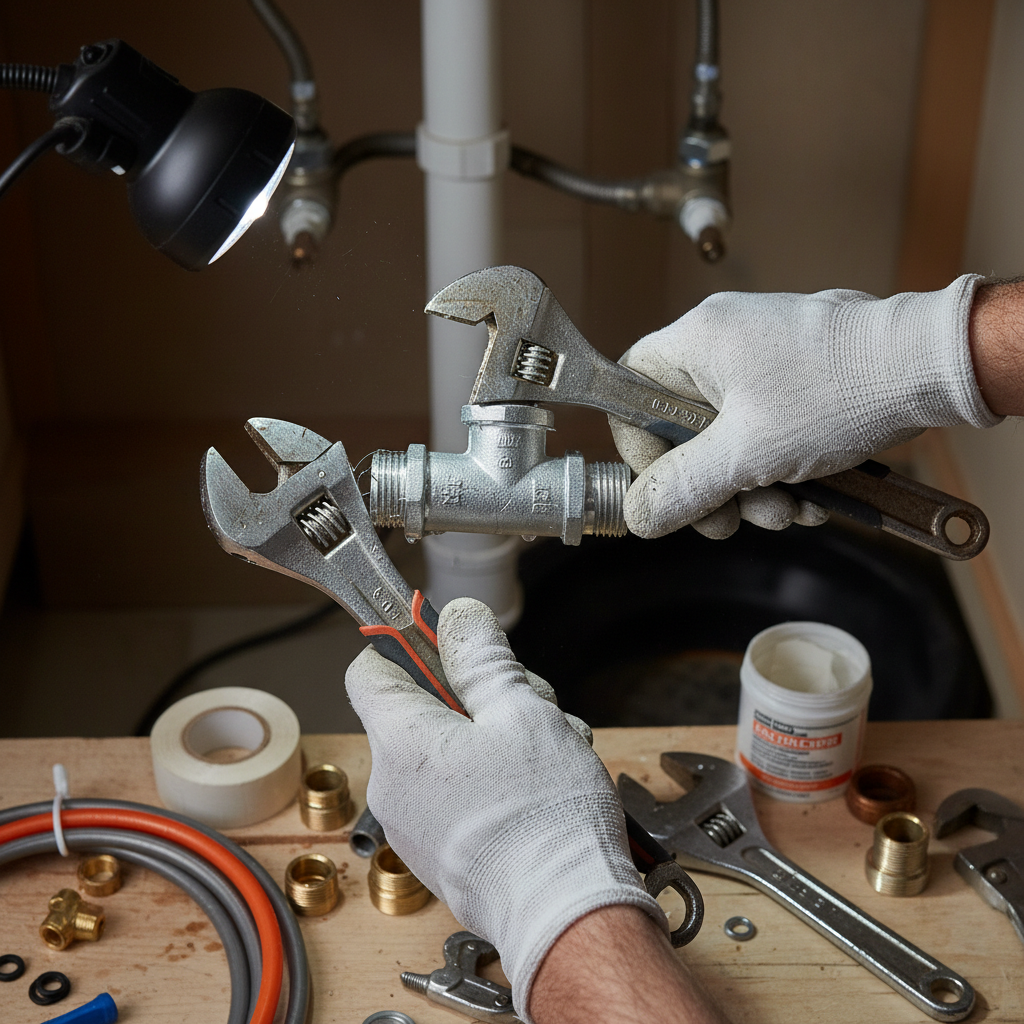
Having the right tools is essential for tackling minor plumbing repairs. Some basic tools you should have on hand include a pipe wrench, plunger, plumber's tape, and a drain snake. These tools will help you address common issues such as clogs, leaks, and loose fittings.
Pipe Wrench and Plumber's Tape
A pipe wrench is invaluable for loosening and tightening pipes and fittings. Plumber's tape, also known as Teflon tape, is used to seal pipe threads and prevent leaks. Applying it correctly can make a significant difference in the durability of your repairs.
Fixing a Leaky Faucet
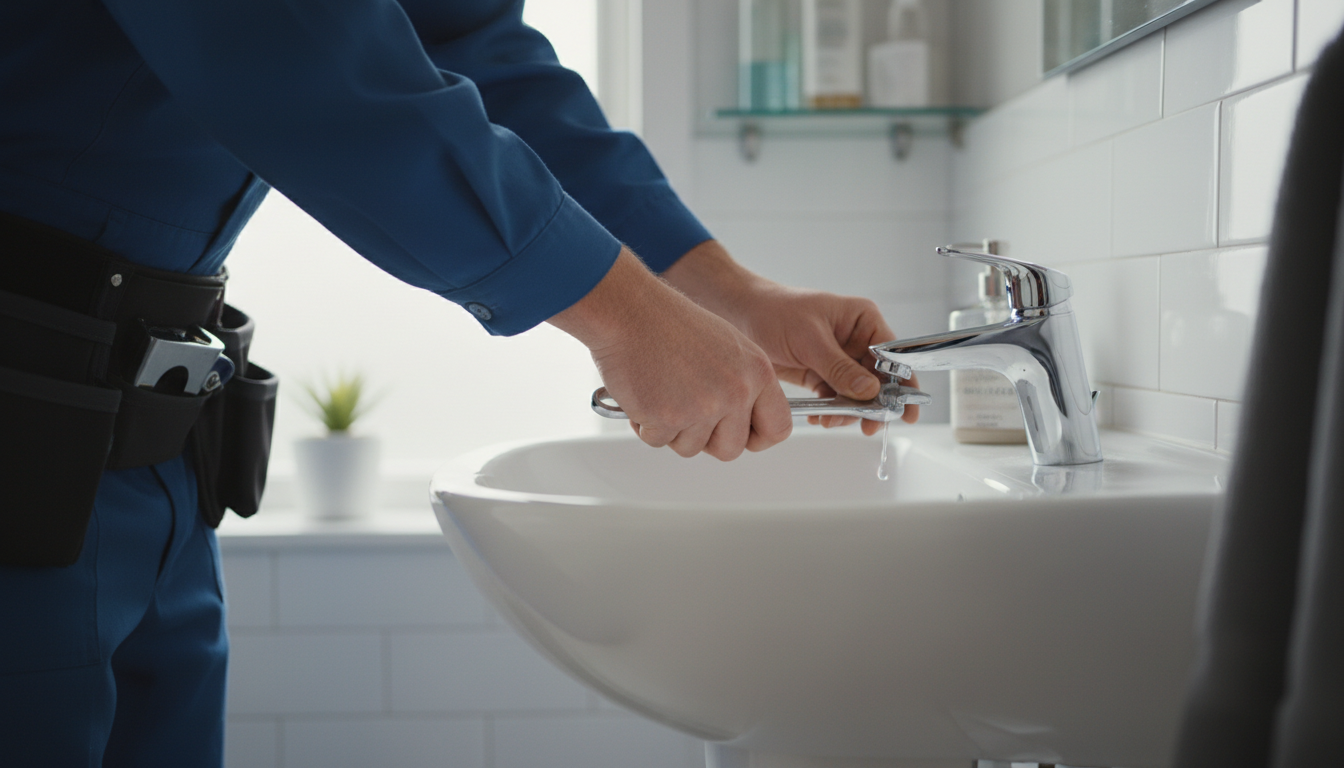
A leaky faucet can be a nuisance and lead to higher water bills. To fix a dripping faucet, start by turning off the water supply. Then, remove the handle and use a wrench to take apart the faucet assembly. Replace worn-out washers or O-rings, which are often the culprits of leaks, and reassemble the faucet.
Unclogging Drains
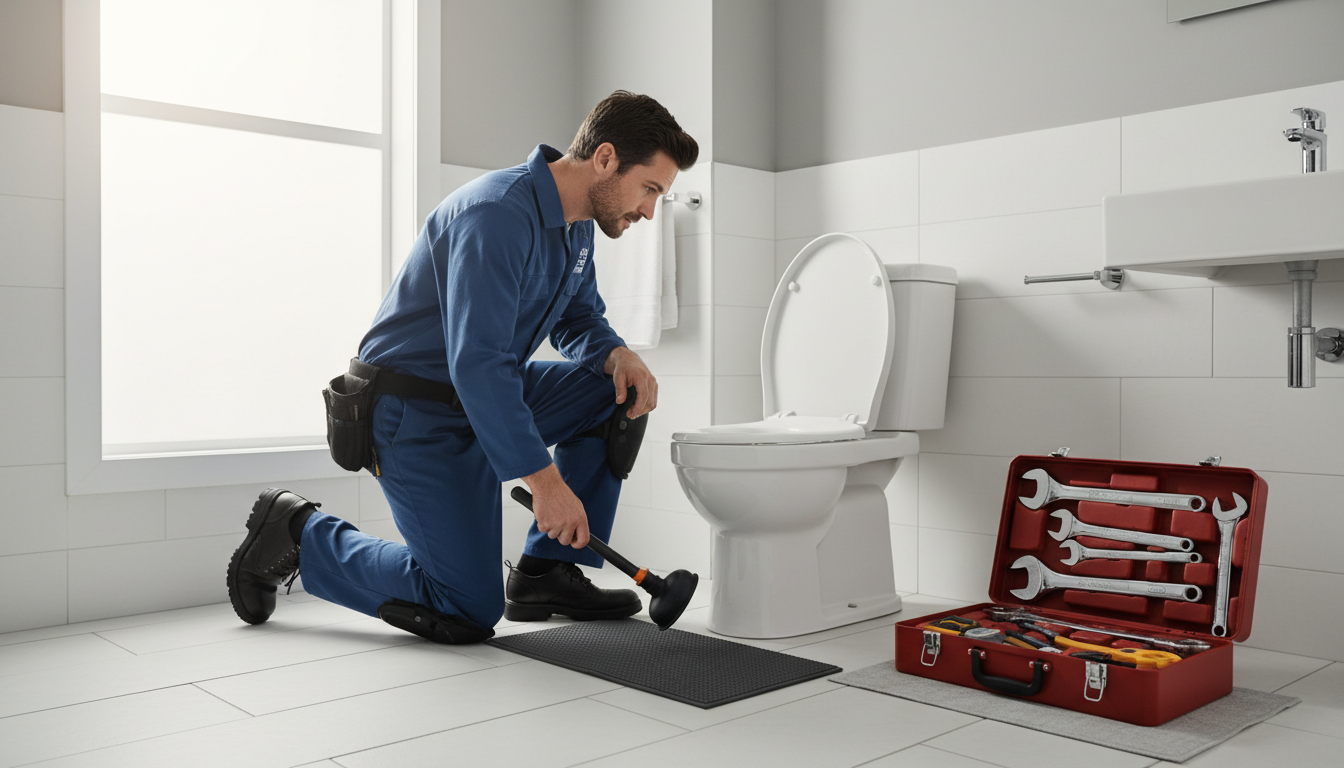
Clogged drains are one of the most common plumbing issues. Start by using a plunger to dislodge the blockage. If that doesn't work, a drain snake can be used to reach deeper clogs. Remember to avoid chemical drain cleaners, as they can damage your pipes over time.
Preventing Future Clogs
To prevent future clogs, consider using drain covers to catch hair and debris. Regularly flushing your drains with a mixture of hot water, vinegar, and baking soda can also help keep them clear. This simple maintenance step can save you time and money in the long run.
Repairing Toilet Issues
Common toilet problems include constant running or weak flushes. A running toilet is often due to a faulty flapper or fill valve. Replacing these components is usually a straightforward process. For weak flushes, make sure the water level in the tank is set correctly.
When to Call a Professional
While many minor plumbing issues can be handled with DIY methods, some situations require professional expertise. If you encounter persistent leaks, sewage odors, or water damage, it's best to contact a licensed plumber. Attempting complex repairs without proper knowledge can lead to more significant problems.
By understanding your plumbing system and having the right tools, you can confidently tackle minor repairs. Remember, regular maintenance and early intervention are key to keeping your plumbing in top shape.